Cleaning Franchise Overview: A Structural Look at the Industry
When people evaluate home services franchising, cleaning is often viewed as “simple.”
Operationally, it is not.
This cleaning franchise overview examines what the industry includes, why demand exists, how revenue models work and what ownership actually requires.
This is industry education – not a brand ranking.
Table of Contents
What the Cleaning Sub-Category Includes
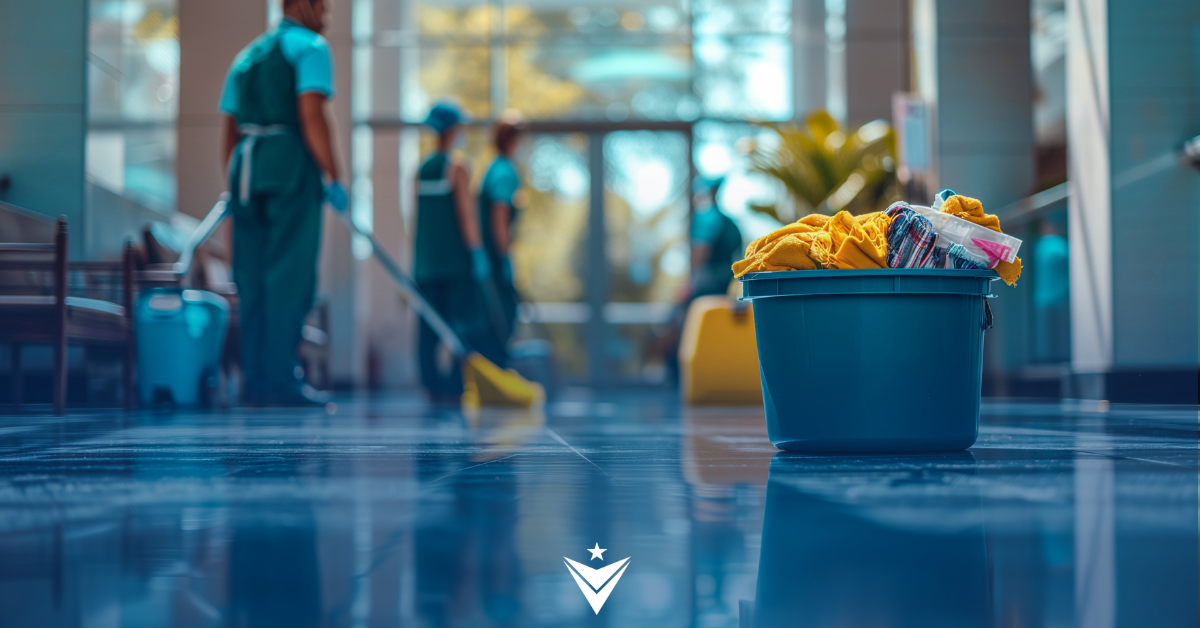
Within the broader Home Services industry, cleaning refers to standardized, repeatable services delivered to residential and commercial properties.
The category typically includes:
Residential Cleaning
- Recurring housekeeping
- Deep cleans
- Move-in / move-out cleaning
- Post-renovation cleanup
Commercial Cleaning
- Office cleaning
- Retail locations
- Medical (non-clinical) facilities
- Light industrial spaces
- Day porter services
Cleaning businesses are generally process- and labor-driven rather than equipment-intensive. That distinction affects scaling, cost structure and risk.
Why Demand for Cleaning Services Remains Strong
Demand in the cleaning category is supported by structural drivers rather than short-term trends.
Time Scarcity
Dual-income households increasingly outsource time-consuming tasks. Cleaning is often one of the first services homeowners delegate as income rises and time becomes constrained.
Commercial Outsourcing
Businesses outsource cleaning to reduce internal staffing complexity and standardize outcomes across locations.
Once secured, commercial contracts can create predictable recurring revenue streams.
Hygiene Expectations
Health and cleanliness standards remain elevated in both residential and commercial environments.
Even as pandemic-era protocols evolve, expectations around sanitation and professional service consistency remain durable.
Common Cleaning Business Models
Recurring Residential Routes
Weekly or biweekly services form the backbone of many cleaning operations.
Retention drives profitability. Predictable scheduling improves route density and margin stability.
Commercial Contracts
Commercial cleaning requires longer sales cycles but often results in contract-based revenue.
Documentation, compliance, and staffing redundancy become more important at scale.
One-Time & Specialty Jobs
Move-outs, post-construction cleans, and deep cleans offer higher ticket revenue but less predictability.
They can supplement recurring work but increase scheduling variability.
What Makes Cleaning Operationally Demanding
Cleaning businesses are labor systems.
Performance depends on recruiting, training and retaining reliable teams.
Core operational responsibilities include:
- Recruiting and onboarding
- Training to standardized procedures (SOPs)
- Scheduling and route optimization
- Quality assurance inspections
- Customer communication
- Chemical and inventory management
- Safety compliance
Primary constraint: labor reliability.
Primary risk: quality inconsistency at scale.
Cost Structure Overview
Labor
Cleaning is wage-intensive. Payroll is typically the largest expense category.
Turnover directly impacts profitability due to retraining and scheduling disruption.
Insurance & Bonding
General liability insurance is essential. Many customers require bonding and background checks due to residential access.
Trust is not optional in this category.
Marketing
Residential models often require consistent lead generation to maintain route density and replace churn.
Commercial models require relationship-driven selling.
Common Failure Patterns in Cleaning Businesses
Failure is typically structural, not demand-driven.
Common breakdowns include:
- High employee turnover
- Underpricing services
- Poor route management
- Inconsistent quality control
- Overexpansion before management layers are built
Busy schedules do not guarantee profitability.
Who Cleaning Franchises Tend to Fit
Cleaning aligns with owners who:
- Prefer systems and standardization
- Are comfortable managing teams
- Can enforce quality control
- Understand recurring revenue dynamics
- Maintain operational discipline
It is not typically passive income in early years.
Frequently Asked Questions
What is a cleaning franchise?
A cleaning franchise is a standardized business model providing residential or commercial cleaning services under an established brand system.
Are cleaning franchises recession-resistant?
Many cleaning services are recurring and necessity-based, though performance depends on labor management and pricing discipline.
Is cleaning franchise ownership passive?
Early-stage ownership typically requires active involvement in hiring, scheduling, and quality control.
What is the biggest operational challenge in cleaning?
Recruiting and retaining reliable staff while maintaining consistent service quality.
Next Steps
If you are evaluating whether the cleaning category aligns with your ownership goals:
Schedule a call with a Vetrepreneur Franchise Coach to discuss capital requirements and operational fit.
Or
Explore other franchise industries to compare cleaning with maintenance, repairs, skilled trades, and additional home services categories.
Understanding the category before selecting a brand is where disciplined ownership begins.