Maintenance is one of the largest – and least understood – segments within the Home Services franchise industry.
Unlike cleaning, which focuses on sanitation, or repairs, which address failure, maintenance centers on prevention and asset preservation.
This Maintenance Franchise Overview examines:
• What the category includes
• How large the market is
• Why demand remains durable
• How revenue models work
• What ownership actually requires
This is industry education – not a brand ranking.
Table of Contents
What “Maintenance” Means in Home Services
Within the broader home services ecosystem, maintenance refers to routine and preventative services performed to preserve property condition and extend system life.
It is distinct from:
• Cleaning (sanitation)
• Repairs (fixing failure after breakdown)
• Skilled trades (licensed system replacement)
Common maintenance services include:
- Gutter cleaning and inspection
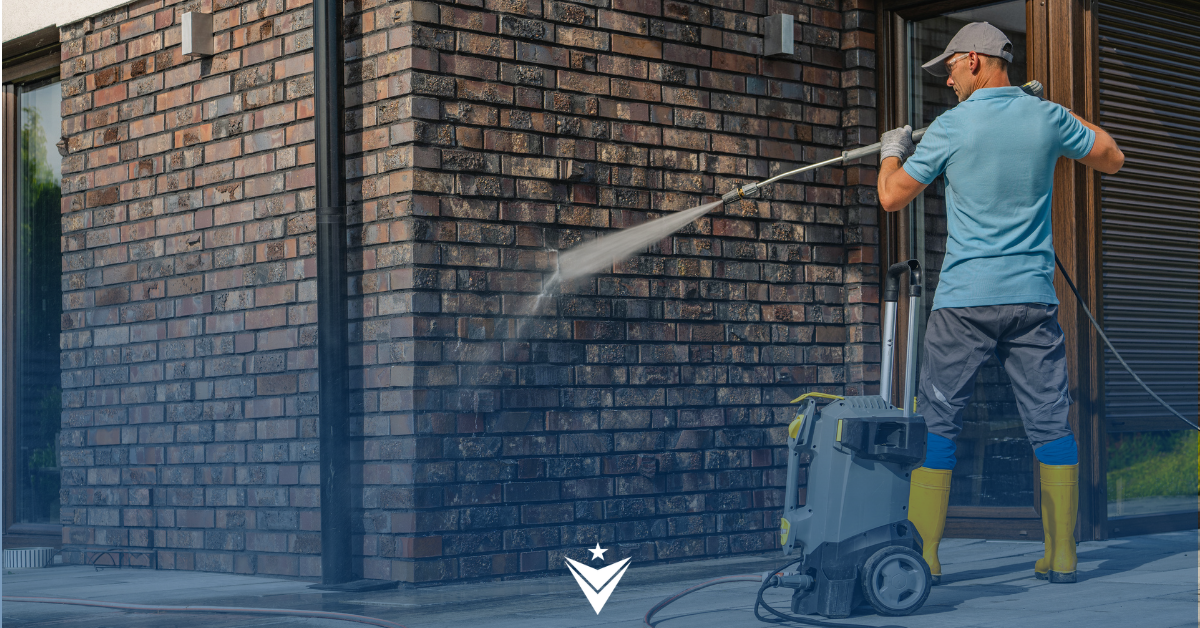
- Pressure washing
- Caulking and sealing
- Minor drywall patching
- Seasonal home preparation (winterizing/summerizing)
- HVAC filter replacement
- Property inspection checklists
- Light handyman services
- Facility maintenance contracts
How Large Is the Maintenance Market?
The broader U.S. home services market is projected to reach approximately $842 billion in 2026, growing toward roughly $989 billion by 2031 (CAGR ~3.3%). Source: Mordor Intelligence
Within that total market, maintenance & repair services account for approximately 37.82% of revenue.
Put simply:
Nearly 2 out of every 5 dollars spent in home services goes toward maintenance and repair.
That makes maintenance one of the largest revenue drivers in the entire home services ecosystem.
Industry projections also estimate homeowner spending on maintenance and upgrades totaling approximately $608 billion in 2025.
Source: KPMG Home Services Industry Update
Maintenance is not niche. It is core spending behavior tied to asset protection.
Why Demand for Maintenance Services Remains Durable
Aging Housing Stock
Older homes require ongoing upkeep to prevent larger capital failures. Preventative services reduce long-term repair costs.
Asset Protection Behavior
For most households, the home is the largest asset they own. Maintenance protects resale value and avoids deferred-cost spikes.
Deferred Maintenance Cycles
Economic slowdowns may delay work temporarily. However, deferred maintenance accumulates – creating eventual backlog demand.
Commercial & Property Management Contracts
Property managers, HOAs, retail operators and multi-site commercial clients require ongoing upkeep to maintain property standards and reduce liability exposure.
This creates recurring B2B contract opportunities.
Common Maintenance Franchise Revenue Models
Subscription & Service Plans
Quarterly or annual maintenance plans provide predictable recurring revenue. These models improve customer lifetime value and stabilize scheduling.
Seasonal Service Cycles
Certain services spike seasonally:
• Fall gutter cleaning
• Spring pressure washing
• Storm preparation and cleanup
Revenue can be cyclical but scalable with route density.
Facility Maintenance Contracts
Multi-site agreements often operate under service-level agreements (SLAs) requiring documentation, inspection reporting and performance tracking.
These contracts prioritize systems and reliability over branding.
What Maintenance Franchise Owners Actually Manage
Maintenance businesses operate as logistics systems.
Owners typically manage:
- Route optimization
- Vehicle fleet coordination
- Equipment management
- Seasonal staffing plans
- Standardized service scopes
- Documentation & reporting
- Upsell conversion from inspection findings
Primary constraint: scheduling efficiency
Primary risk: underpricing smaller-ticket jobs
Maintenance is operational leadership – not passive income.
Cost Structure in Maintenance Franchising
Labor
Moderate recurring expense; volume-driven margin.
Vehicles & Equipment
Higher dependency than cleaning; lower capital intensity than skilled trades.
Insurance
General liability coverage required; property damage exposure is real.
Marketing
Residential models require consistent lead generation to maintain route density.
Compared to skilled trades:
Lower licensing burden
Lower average ticket size
Higher volume required for scale
Common Failure Patterns in Maintenance Franchises
- Inconsistent service scope
- Failure to convert one-time jobs into recurring plans
- Poor seasonal cash flow planning
- Overexpansion without route density
- Weak inspection and upsell systems
Busy season does not equal stable year.
Who Maintenance Franchises Tend to Fit
Strong fit for:
- Operators who prefer logistics and structure
- Leaders comfortable managing small crews
- Owners focused on recurring revenue
- Disciplined process managers
Challenging fit for:
- Owners seeking emergency-response trades
- Owners seeking emergency-response trades
- Individuals expecting passive income immediately
- Operators without liquidity for seasonal swings
Frequently Asked Questions
What is a maintenance franchise?
A maintenance franchise provides preventative property upkeep services designed to preserve asset value and prevent larger system failures.
How large is the maintenance segment within home services?
Maintenance and repair services represent nearly 38% of total home services revenue in the U.S.
Is maintenance franchise ownership seasonal?
Some services are seasonal, but subscription plans and commercial contracts can stabilize revenue year-round.
Is maintenance franchising passive?
Early-stage ownership is typically operationally intensive.
Next Steps
If you are evaluating whether the maintenance category aligns with your ownership goals:
Schedule a call with a Vetrepreneur Franchise Coach to discuss capital requirements and operational fit.
Or
Explore other franchise industries to compare maintenance with cleaning, repairs, skilled trades, and additional home services categories.
Understanding the industry before selecting a brand is where disciplined ownership begins.